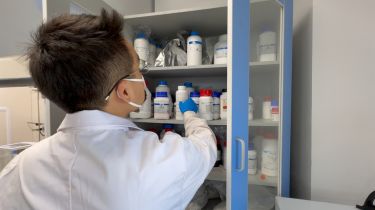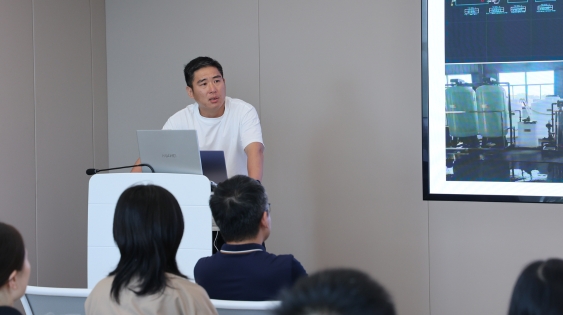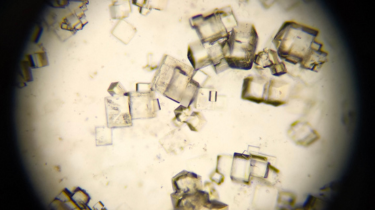
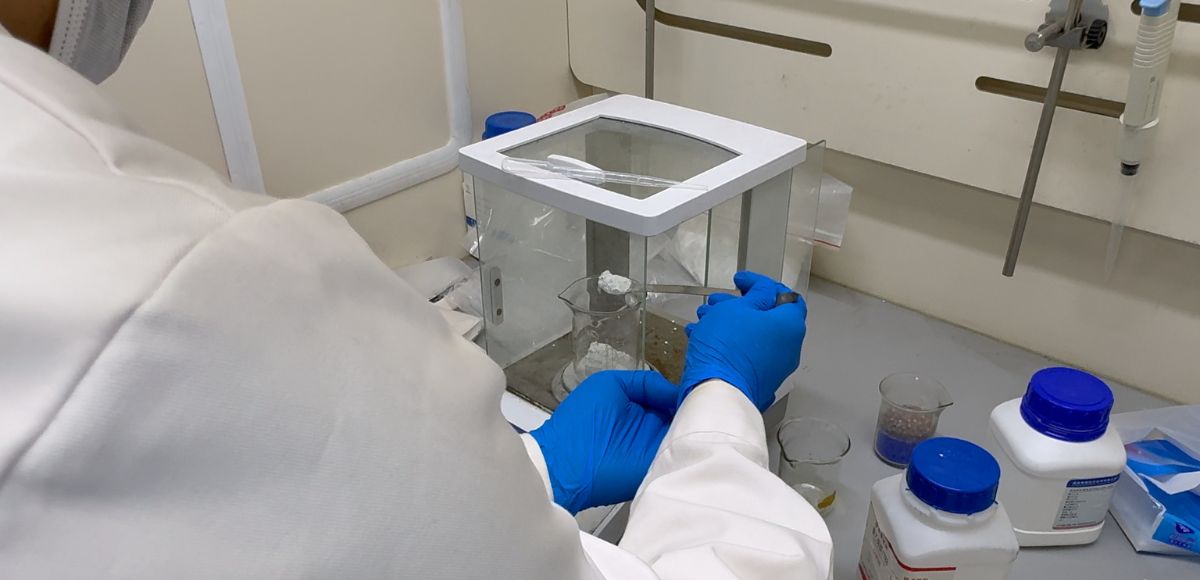
LUVA’s delivery engineering team recently conducted a laboratory test at the LUVA R&D Center to evaluate how calcium oxide (CaO) and magnesium oxide (MgO) affect the flowability of calcium hydroxide slurry.
Slurry flowability is an important operating parameter in calcium hypochlorite production. If the slurry becomes excessively viscous, pump performance may decline, potentially disrupting material transfer and preventing the production line from operating reliably.
The quality and composition of lime-based raw materials can have a direct impact on slurry behavior. Residual calcium oxide and magnesium oxide can both increase the viscosity of calcium hydroxide suspension, affecting pumping performance as well as reaction efficiency. LUVA’s preliminary laboratory results indicate that magnesium oxide may have approximately twice the impact of calcium oxide on slurry viscosity under the tested conditions.
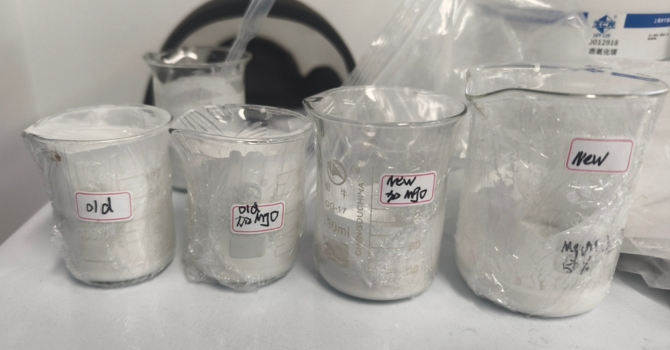
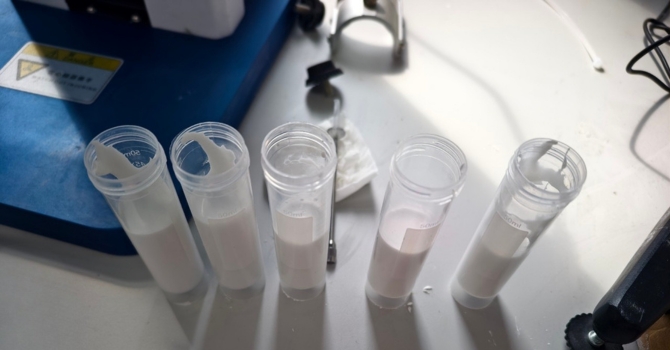
These findings will provide a useful reference for evaluating raw material quality and troubleshooting flowability issues in actual production. They may also support future process improvements, equipment selection and pump configuration, helping customers maintain more stable and efficient plant operation.
For LUVA, customer service extends beyond supplying equipment. By investigating practical operating challenges and verifying process assumptions through laboratory testing, the team aims to translate technical findings into actionable recommendations for customers.
Guided by its customer-first principle, LUVA will continue to strengthen its research, engineering and technical support capabilities. Through practical testing and experience gained from delivered projects, the company remains committed to providing more comprehensive process guidance and long-term support for calcium hypochlorite producers.
*LUVA: дочерняя компания, полностью принадлежащая KAPSOM